Interesting in Selling Jewelry? Here Are 4 Questions to Ask First!
Every piece of jewelry tells a story. From the vintage diamond engagement ring handed down through generations to the bold gold statement necklace purchased to celebrate a personal milestone, these items carry significant history. However, there comes a time when holding onto these pieces no longer makes sense. You might be downsizing your collection, clearing out an estate, or looking to unlock the liquid value tied up in your vault. When you decide to venture into the market for selling jewelry, the process can feel overwhelming. The luxury market is intricate, and navigating it requires a strategic approach to ensure you get the absolute best return on your investment.
Many people hesitate to part with their high-end items simply because they do not know where to begin or whom they can trust in the competitive luxury landscape. It is completely normal to feel a mix of emotional attachment and financial uncertainty when evaluating your options. Navigating the secondary market does not have to be a stressful guessing game filled with lowball offers and confusing industry jargon.
Before you walk into a store or send your valuables off for an assessment, you need to arm yourself with knowledge. Selling jewelry is not a transaction you should rush into without proper preparation. To maximize your return and guarantee a seamless, professional experience, you should treat the process with the same diligence as any high-end financial decision. It helps to understand exactly who you are dealing with and what factors influence the value of your assets. Asking the right questions beforehand will protect you from undervalued offers and give you total confidence in your transaction. Here are four vital questions you should ask before making your move.
1. What Are the True Qualifications of the Appraiser?
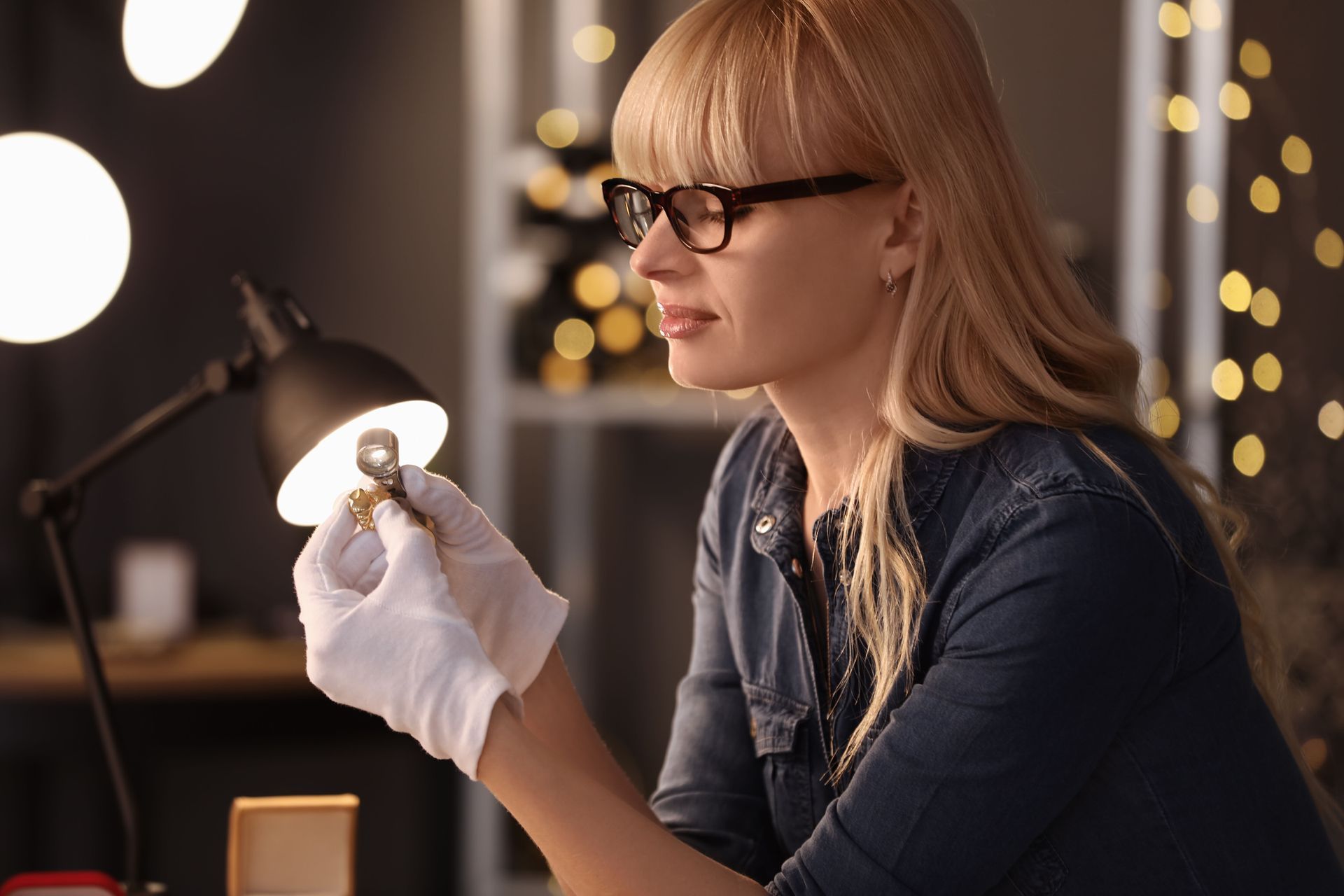
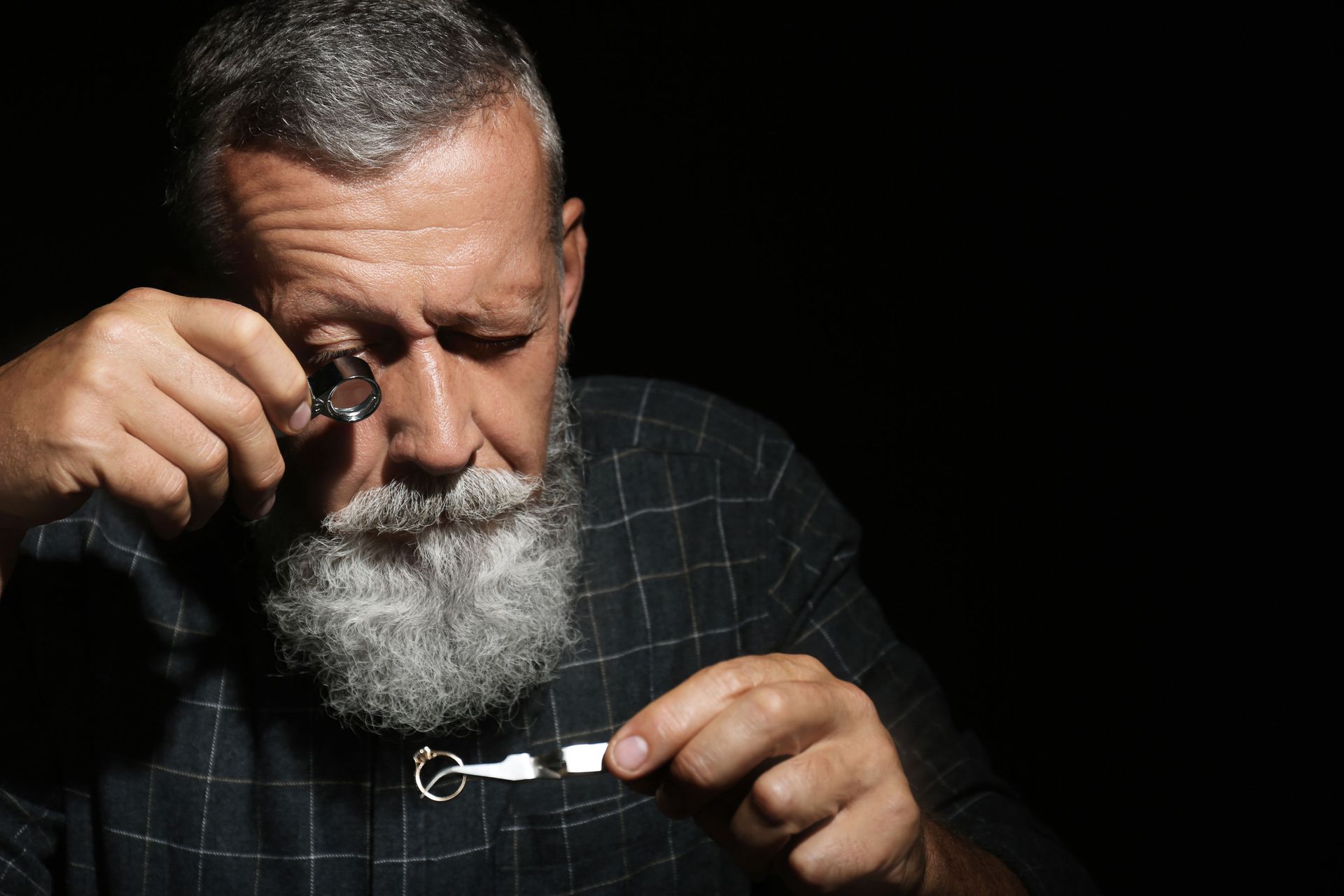
When you begin the process of selling jewelry, your first step should always be establishing the true credentials of the person evaluating your collection. You would not let an uncertified mechanic work on a rare exotic sports car, so you certainly should not let an unqualified hobbyist evaluate your precious gems and metals. A true luxury specialist should possess extensive training from recognized industry institutions, such as the Gemological Institute of America. Furthermore, it is incredibly beneficial to work with an established professional who aligns with national regulatory bodies. For instance, finding a buyer who belongs to the Jewelers Vigilance Committee ensures they are actively committed to industry self-regulation and strict legal compliance.
An appraiser with decades of experience understands that the value of a piece goes far beyond its simple scrap weight. When selling jewelry, an expert eye is required to detect the subtle nuances of antique craftsmanship, the rarity of a specific gemstone color, or the historical significance of an estate piece. During your initial consultation, do not hesitate to ask how long they have been serving the community and what specific metrics they use to determine their valuation. A reputable professional will gladly share their history and walk you through their assessment process with complete transparency, giving you peace of mind that your items are in safe, capable hands.
2. How is the Actual Value of My Item Calculated?
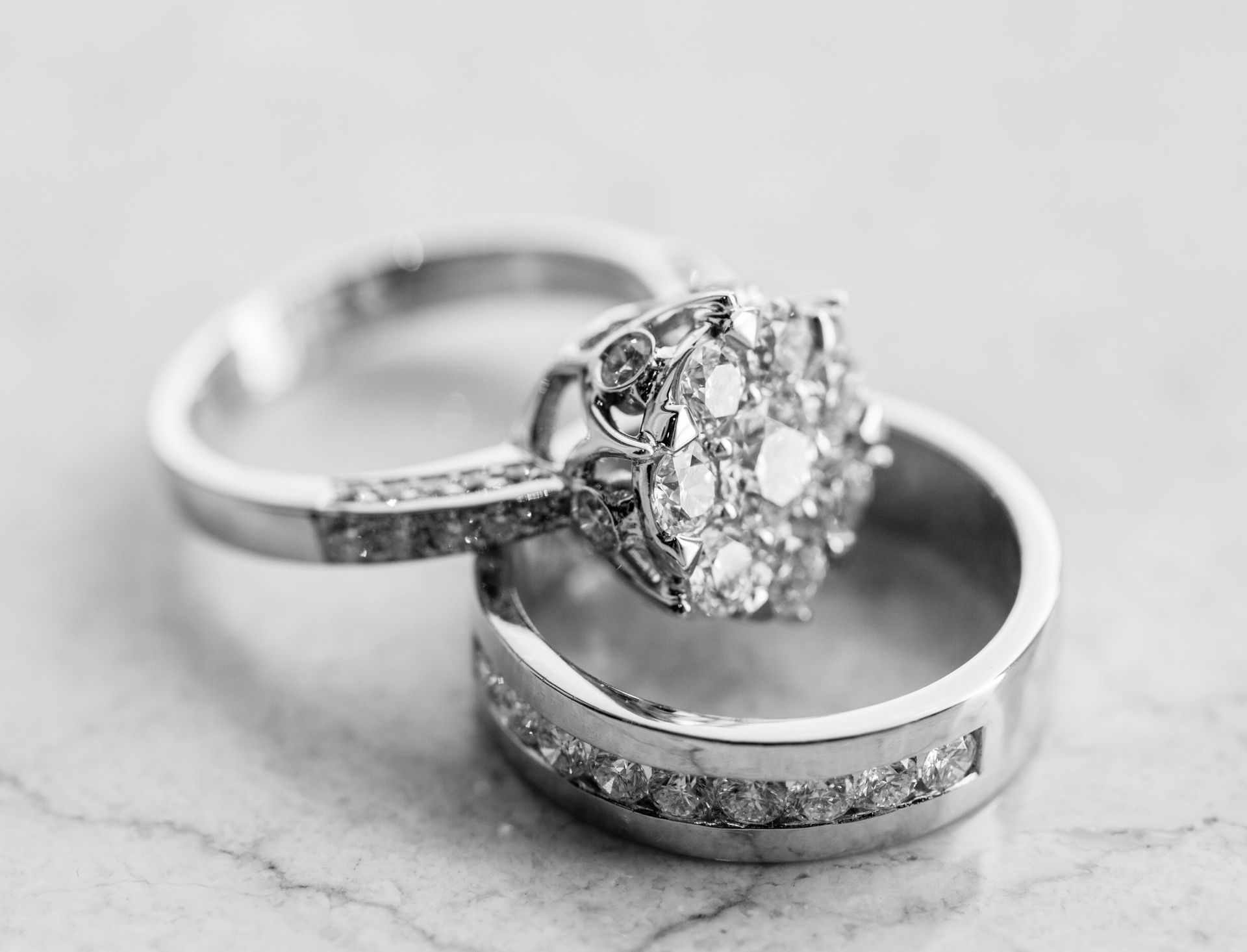
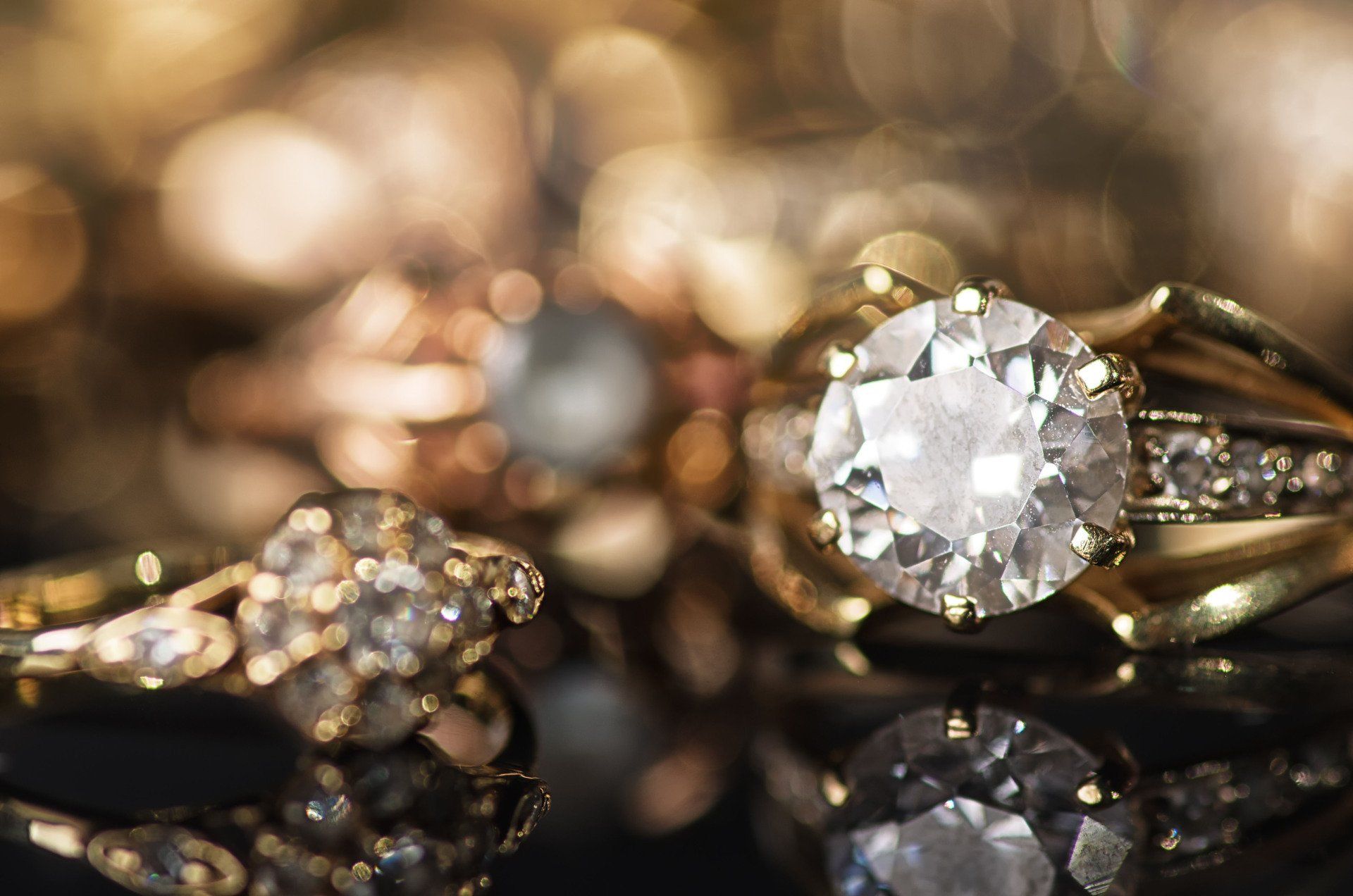
Understanding the math behind the evaluation is crucial when you are considering selling jewelry. A premier buyer does not just guess a number; they look at a complex matrix of factors to determine top dollar value. For gold, silver, and platinum items, the valuation begins with the purity of the precious metal and its current weight, typically measured in grams or pennyweights. However, if your jewelry features diamonds, pearls, or other precious gemstones, the evaluation expands significantly. The buyer must examine the classic four Cs of diamond grading: cut, color, clarity, and carat weight, alongside the market demand for those specific characteristics.
Beyond the raw materials, the intrinsic design value plays a massive role in the final offer. Designer watches from elite names like Rolex, Cartier, or Omega command a premium because of their brand heritage and global secondary market demand. The same rule applies to antique, vintage, and estate jewelry, where the historical era and stylistic uniqueness add substantial worth. When selling jewelry, a high-volume professional buyer can offer much better rates because they have the global network required to place these specialized items. They will explain exactly how much value comes from the raw materials versus the craftsmanship, ensuring you receive a fair, accurate offer.
3. What Immediate Financial Options Do You Provide?
Different financial situations require different solutions, so you should always ask about the specific payout structures available to you. Some people look into selling jewelry because they want to upgrade their personal collection, while others find themselves needing immediate liquidity to fund a new venture or cover unexpected expenses. The financial pathways people take vary widely across the country. According to Statista, the percentage of Americans who pawn jewelry when they need cash is 5%, which highlights just how common it is to use fine jewelry as a flexible financial asset during times of transition.
However, if you want to maximize your return rather than taking a high-interest short-term loan, finding a buyer who pays top dollar outright on the spot is often the most lucrative path. You want to ask if the business operates strictly by appointment to ensure your absolute privacy and security during the transaction. An elite buyer will evaluate your luxury timepieces, engagement rings, or precious metals and present an immediate cash offer without any pressure. Knowing the exact terms of the payout before you arrive allows you to make an informed decision that aligns perfectly with your immediate personal or financial goals.
4. How Does Your Team Ensure Ethical Business Standards?
The luxury jewelry industry relies entirely on trust, which makes ethical standards the most critical factor when choosing a partner for selling jewelry. You need to know that the scale used to weigh your gold is properly calibrated, that the gemological equipment is state-of-the-art, and that the business operates under a strict code of ethics. A business that has maintained a stellar reputation for over sixty years and holds an accredited status with the Better Business Bureau demonstrates a proven track record of treating clients with the utmost honesty and professionalism.
Ethical buyers also prioritize your comfort and education throughout the evaluation. They will never pressure you into accepting an offer, and they will gladly answer any questions you have about the market conditions or the specific attributes of your pieces. They view the transaction as a partnership rather than a simple retail exchange. When selling jewelry, working with an ethical, family-owned business ensures that you are treated like a valued member of the community rather than just another transaction number. Ensuring these ethical guardrails are in place guarantees that you walk away from the deal feeling completely satisfied with both the financial payout and the overall experience.
Deciding to part with your luxury assets is a significant step, but it can be an incredibly rewarding and empowering experience when handled correctly. By taking the time to ask about appraiser credentials, valuation methods, payout options, and ethical standards, you protect yourself from subpar offers and ensure a smooth transaction. Your fine jewelry, designer watches, and precious metals deserve an evaluation process that matches their inherent elegance and value. When you are ready to take the next step with your fine items, you can get a free consultation with Beverly Hills Jewelry Buyers.

Share On: