6 Common Misconceptions About Selling Fine Jewelry
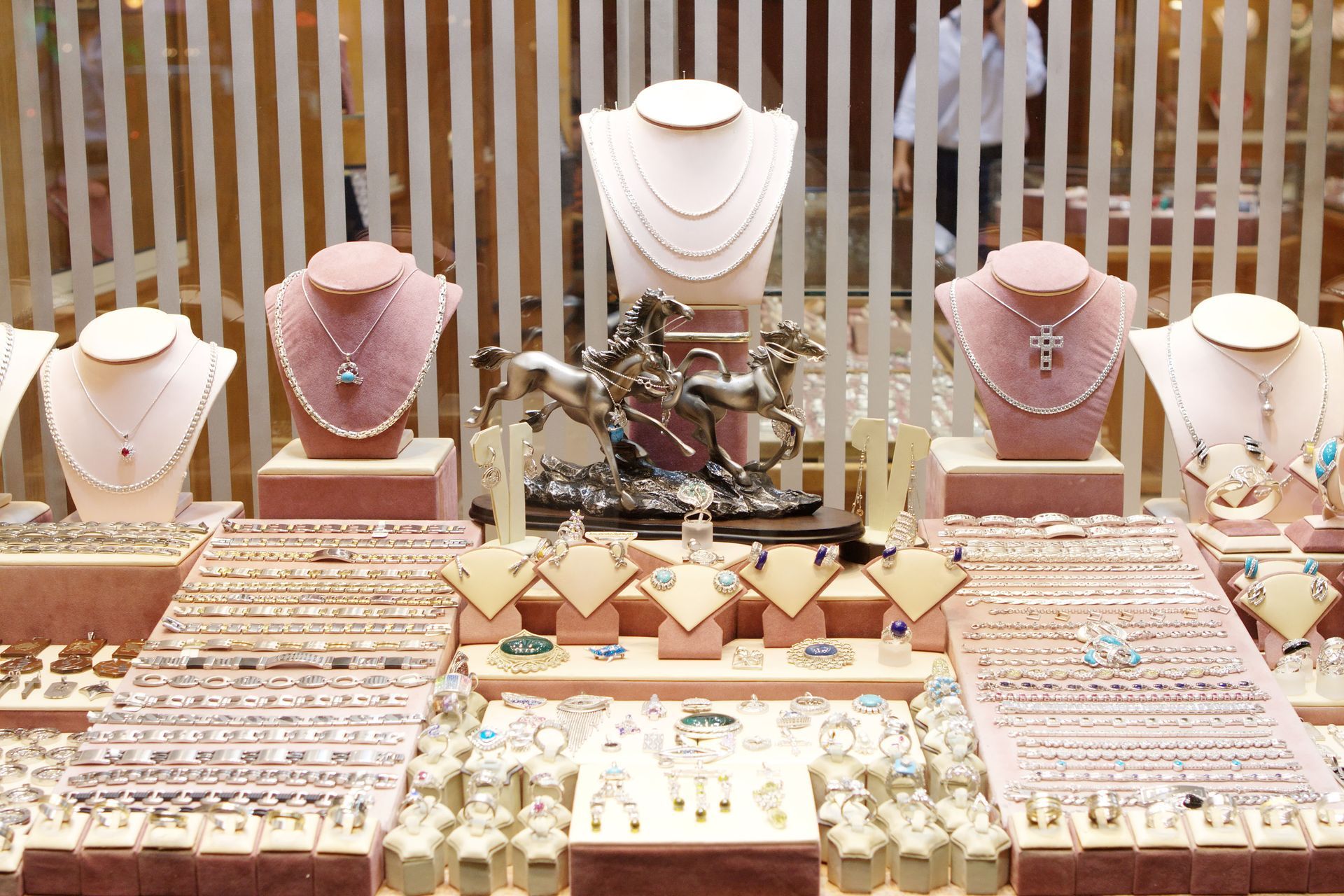
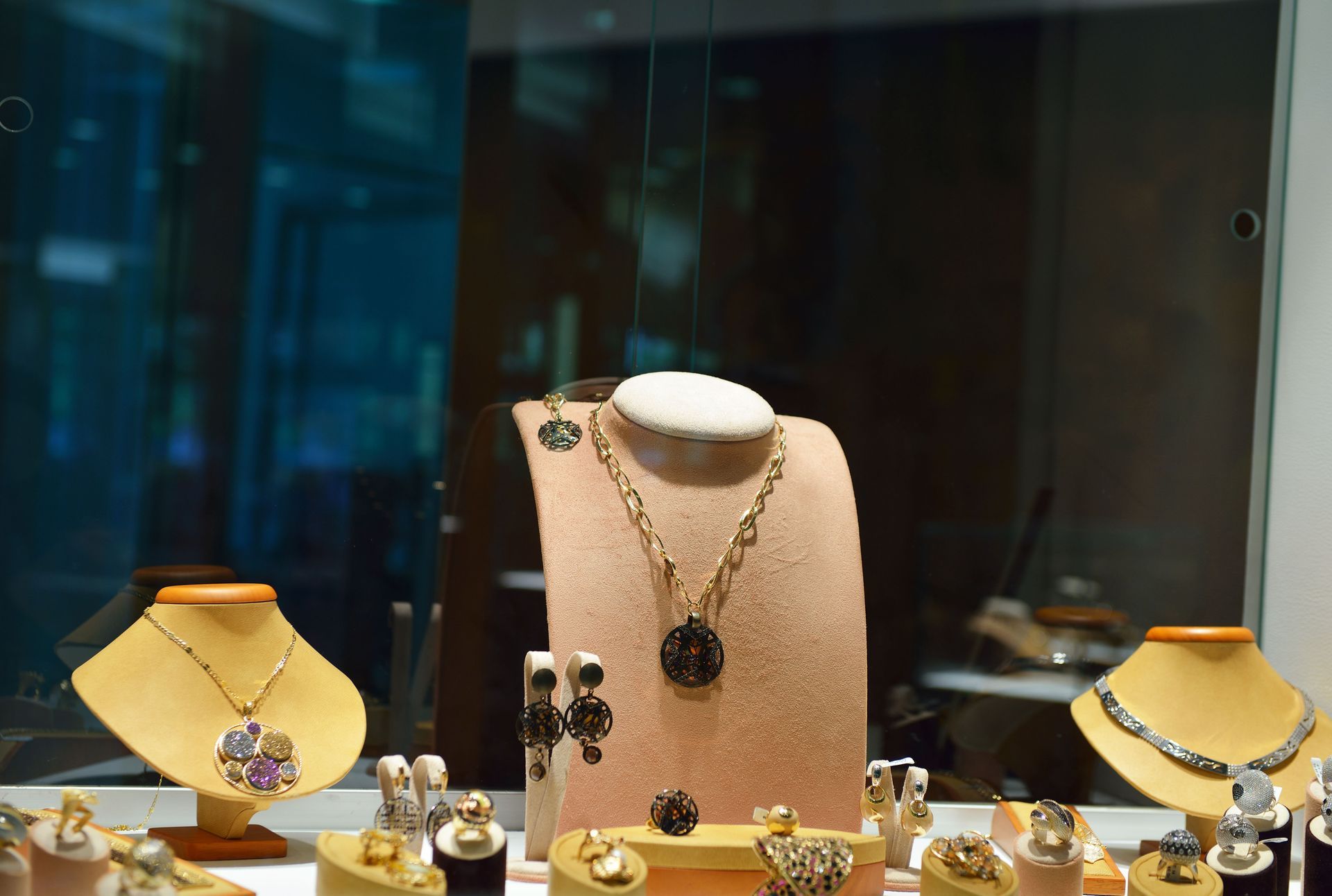
Selling jewelry can feel confusing when you’re not sure what your pieces are worth, how offers are calculated, or what a jewelry buying business looks for during an evaluation. Whether you have diamond rings, gold chains, estate jewelry, watches, or gemstone pieces, it’s helpful to understand how the resale process works before you bring your items in.
Many people walk into the process of selling jewelry with assumptions based on retail prices, insurance appraisals, family stories, or online estimates. While those details can be useful, they don’t always reflect what a jewelry buyer can offer in the current market. This article clears up common misconceptions so sellers can feel more prepared when working with a jewelry buying business.
Misconception 1: All Fine Jewelry Is Automatically a High-Value Investment
Jewelry Value Depends on More Than the Original Purchase Price
Many sellers believe their jewelry should be worth close to what was originally paid for it. However, retail pricing often includes store markup, branding, overhead, and other costs that don’t always carry over into the resale market. A jewelry buying business looks at the current value of the materials, stones, craftsmanship, condition, demand, and resale potential.
Sentimental Value Is Different From Market Value
Jewelry often carries deep personal meaning, especially when it’s inherited, gifted, or tied to an important life event. While that emotional value matters to the owner, it may not increase the cash offer. A jewelry buying business bases its evaluation on measurable factors, such as gold purity, diamond quality, gemstone type, brand recognition, and current buyer demand.
Market Conditions Can Change the Offer
Gold, diamonds, and gemstones can shift in value based on market demand. A piece that was popular years ago may not bring the same resale interest today, while certain metals or designer pieces may be more desirable. Selling jewelry through a professional buyer gives sellers the chance to receive an offer based on current conditions instead of outdated assumptions.
Condition Plays a Major Role
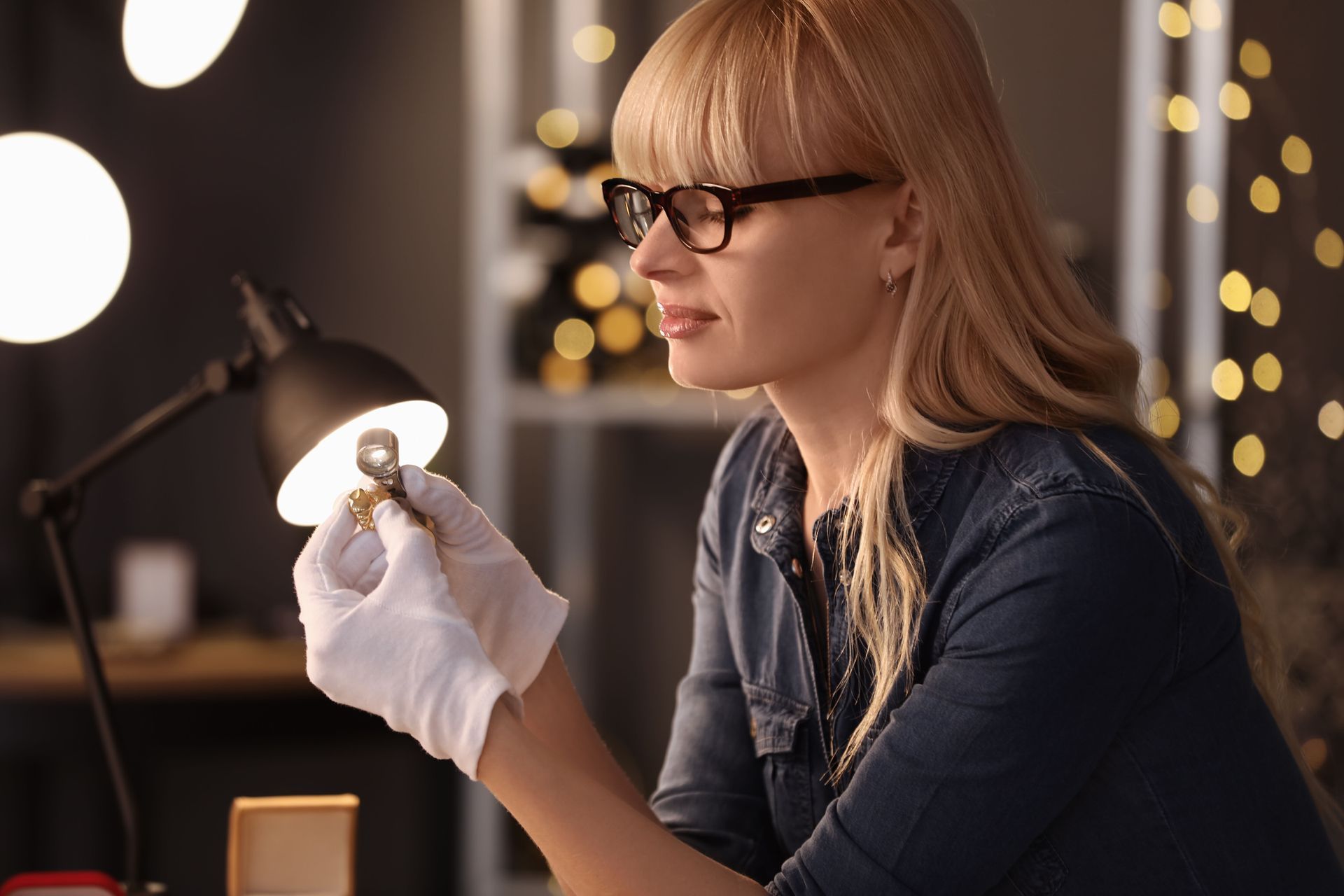
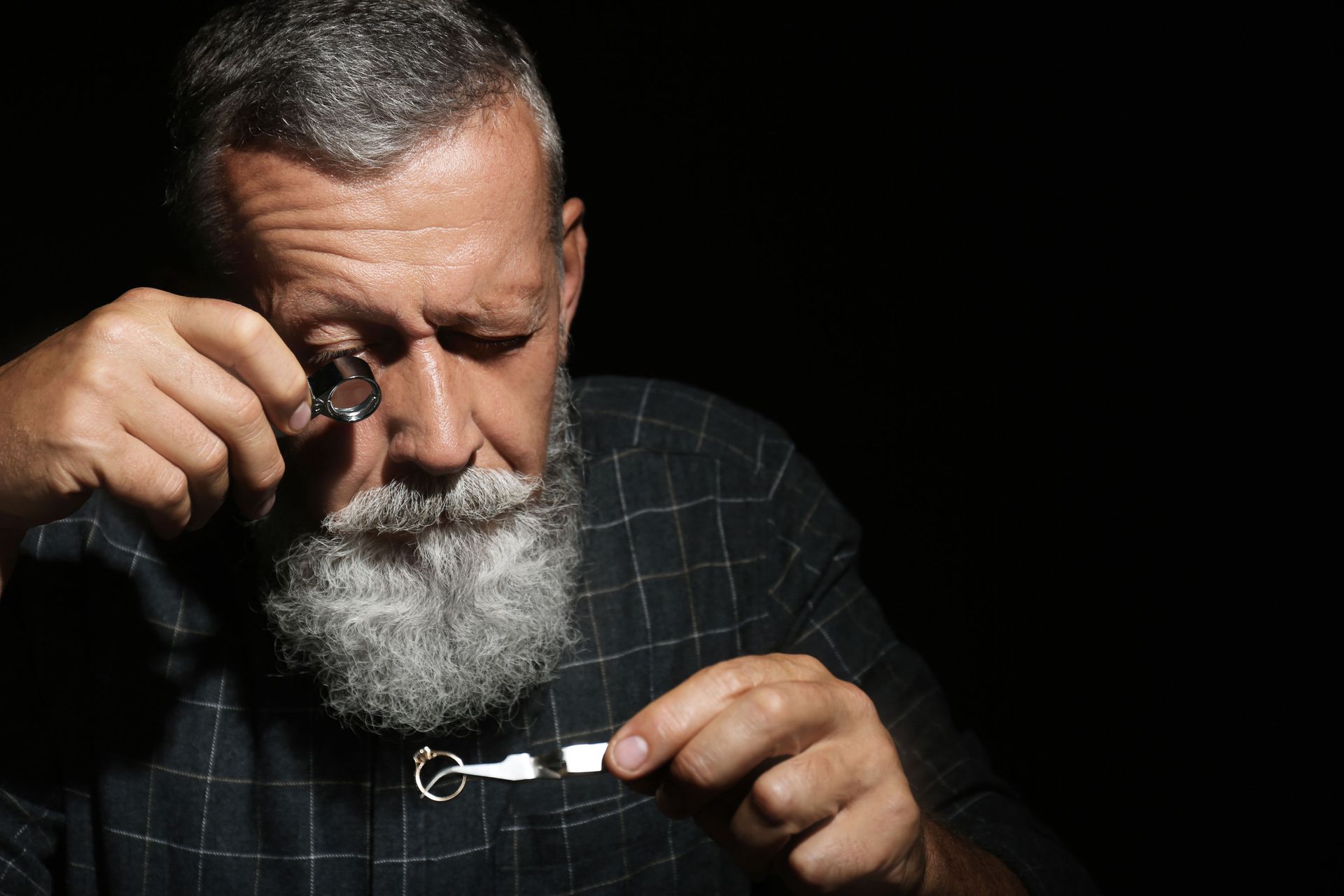
Scratches, missing stones, worn prongs, broken clasps, and outdated settings can affect resale value. Some jewelry may be purchased for its design, while other pieces may be valued mainly for gold, platinum, or gemstone content. A jewelry buying business will inspect each piece carefully to determine the most accurate offer possible.
Misconception 2: The Appraisal Value Is the Same as the Selling Price
Insurance Appraisals Are Usually Higher Than Resale Offers
One of the biggest surprises when selling jewelry is that an appraisal value does not always match the amount a jewelry buying business can offer. Appraisals are often written for insurance replacement purposes, meaning they estimate what it may cost to replace the item at retail. Resale value is different because it reflects what the item may bring in the current buying market.
Retail and Resale Pricing Are Not the Same
A ring purchased from a jewelry store includes retail pricing, while a jewelry buying business evaluates the piece from a resale or material-value perspective. This doesn’t mean the piece has no value. It simply means the offer is based on what the business can reasonably pay, resell, refine, or repurpose.
Documentation Can Still Help
Appraisals, diamond certificates, receipts, and grading reports can give a jewelry buying business helpful information. These documents may support details about stone quality, metal type, brand, or original purchase history. However, the final offer will still depend on the buyer’s physical inspection and current market value.
Misconception 3: Only Antique or Vintage Jewelry Is Worth Selling
Modern Jewelry Can Still Have Strong Value
Some sellers assume only antique, vintage, or estate jewelry is worth bringing to a jewelry buying business. In reality, selling jewelry can include modern pieces too, especially if they contain quality diamonds, gold, platinum, designer branding, or desirable gemstones. Even simple pieces may be worth evaluating.
Gold and Precious Metals Are Always Worth Checking
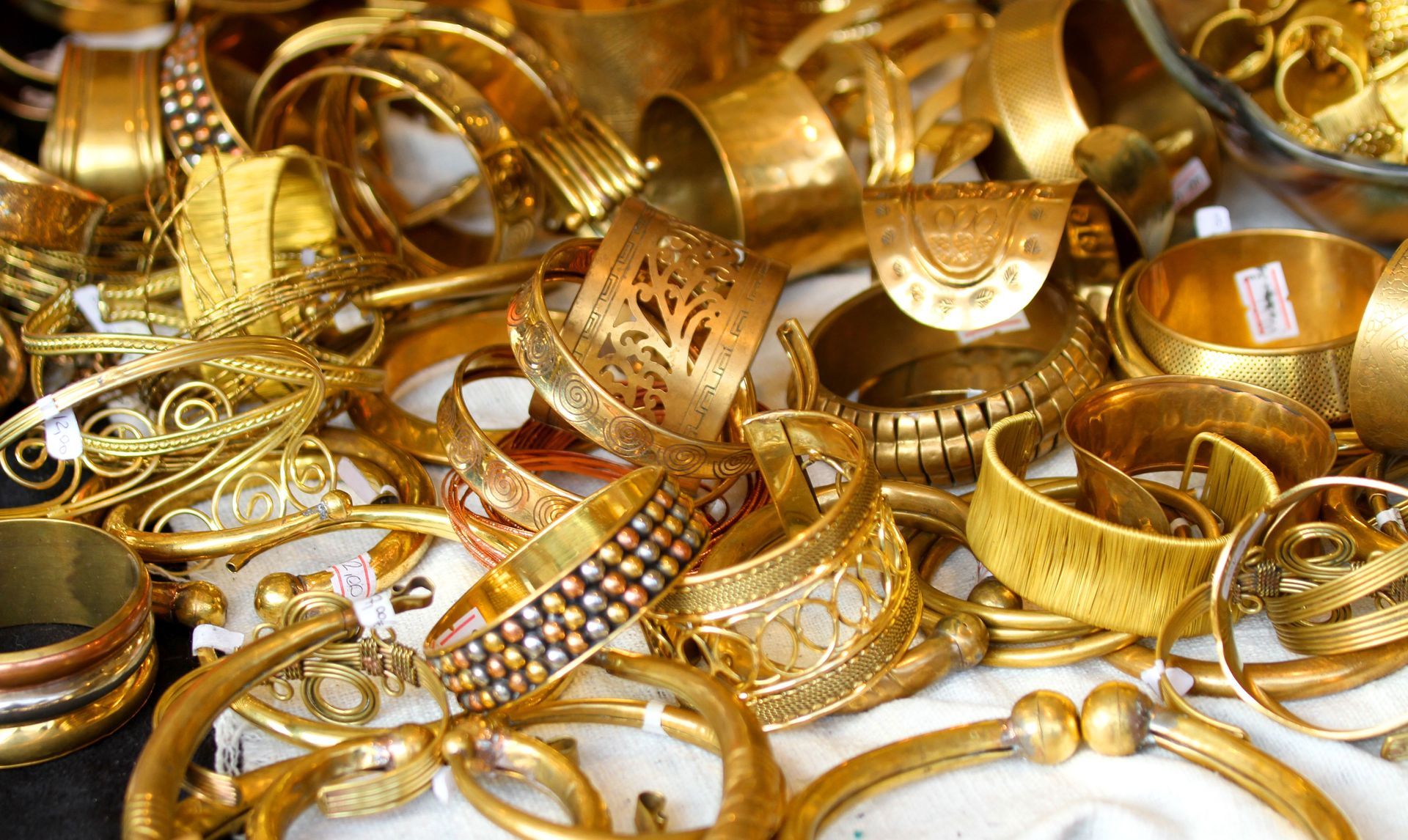
Broken chains, single earrings, outdated bracelets, old class rings, and damaged settings may still contain valuable gold or platinum. A jewelry buying business can test the metal and calculate an offer based on purity and weight. You don’t need a perfect, wearable piece to receive value from it.
Designer Pieces May Bring Added Interest
Jewelry from well-known designers or luxury brands can sometimes carry value beyond the materials alone. Brand recognition, original packaging, serial numbers, and certificates may help support the item’s resale appeal. If you’re selling jewelry from a recognized designer, those details may be worth sharing during the evaluation.
Misconception 4: Diamonds Are the Only Stones Jewelry Buyers Want
Colored Gemstones Can Also Be Valuable
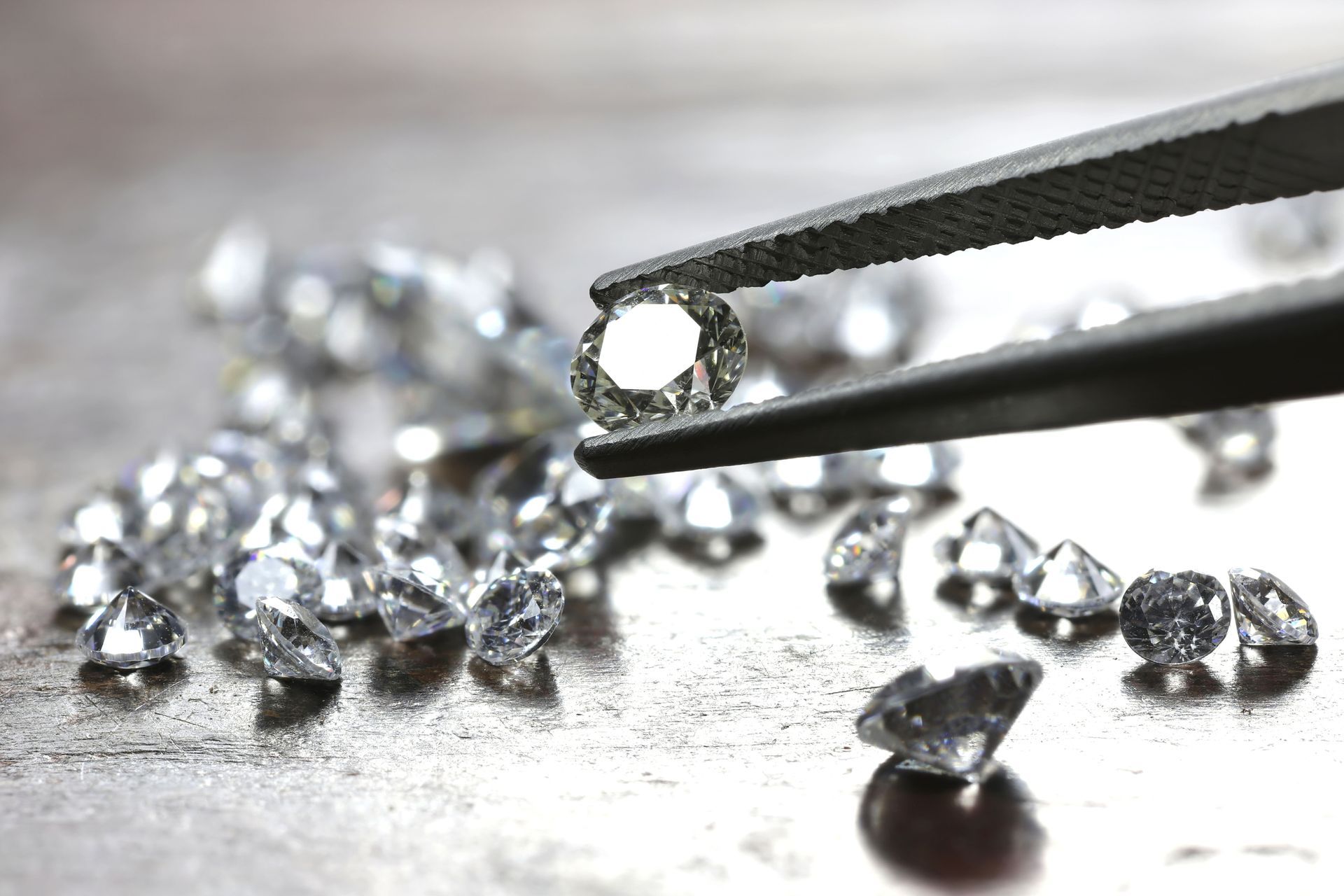
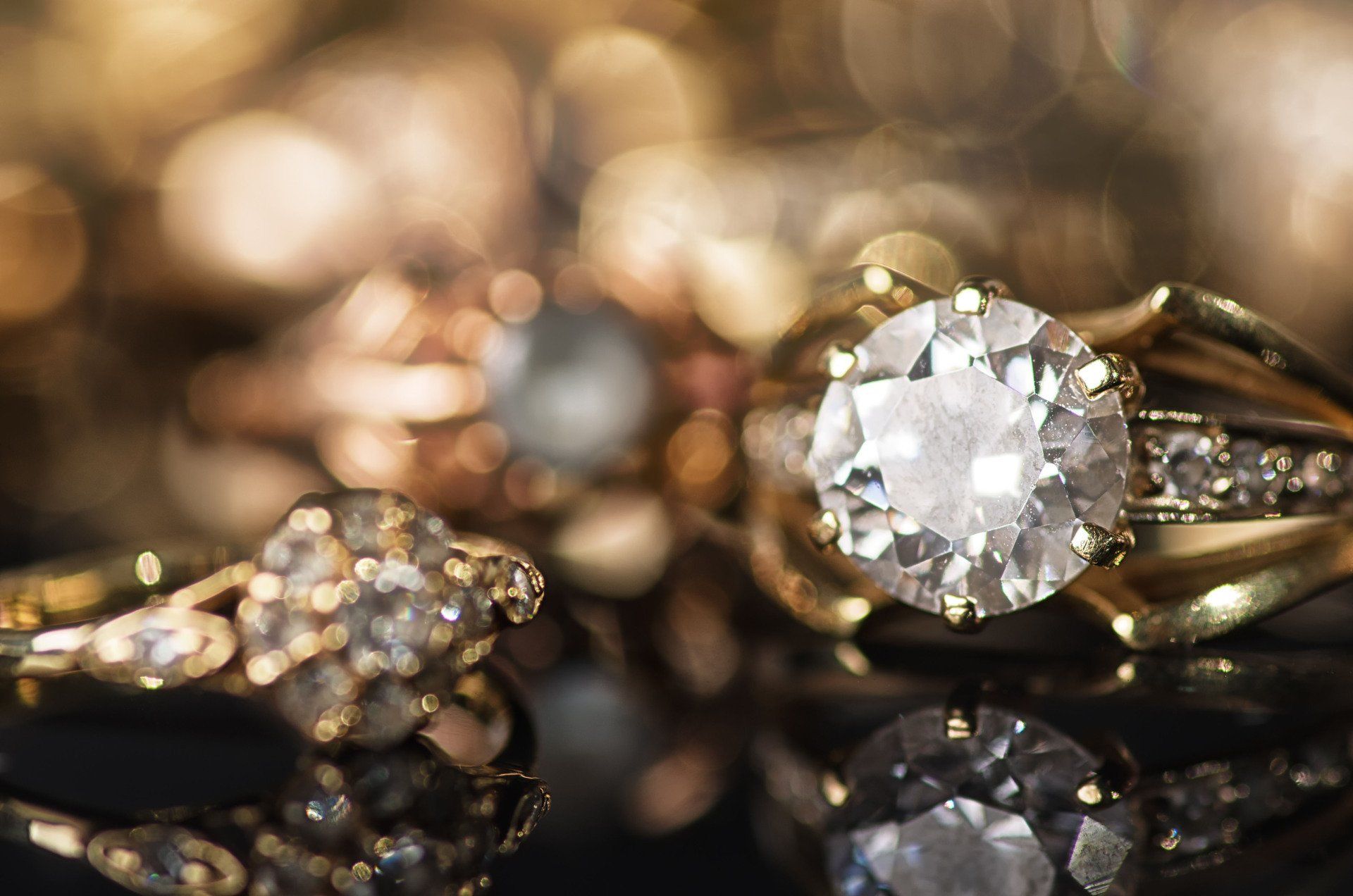
Diamonds are popular, but they are not the only stones that matter. Sapphires, rubies, emeralds, tanzanite, aquamarine, opals, and other gemstones may have resale value depending on quality, size, color, origin, and condition. A jewelry buying business can inspect gemstone jewelry to determine whether the stones add value to the offer.
Gemstone Quality Matters More Than Assumptions
Not every colored stone has the same value. Color saturation, clarity, cut, carat weight, treatment history, and rarity can all influence what a jewelry buying business may offer. Sellers should avoid assuming a stone has little or high value without a professional review.
Settings Can Affect the Overall Offer
The metal surrounding the gemstone can also contribute to value. A gemstone set in 18k gold or platinum may bring a stronger offer than one set in a lower-value metal. According to J.P. Morgan Private Bank, jewelry accounts for approximately 50% of total annual global demand for gold. When selling jewelry with gemstones, the buyer will typically look at the entire piece, not just the center stone.
Misconception 5: Selling Jewelry Is Too Risky
A Professional Evaluation Makes the Process Clearer
Many people hesitate to sell jewelry because they worry about being rushed, pressured, or confused by the process. A reputable jewelry buying business should explain how your items are evaluated and answer your questions before you decide whether to accept an offer.
Sellers Should Know What to Bring
When visiting a jewelry buying business, it can help to bring any paperwork you have, including appraisals, certificates, receipts, branded boxes, or service records. These items are not always required, but they can provide useful background during the evaluation. Selling jewelry is often easier when you have supporting details, but missing paperwork does not automatically prevent a sale.
You Can Ask Questions Before Accepting an Offer
Sellers should feel comfortable asking how the offer was determined. For example, you may ask whether the offer is based on metal weight, gemstone quality, designer value, or resale demand. Selling jewelry should feel like an informed decision, not a rushed transaction.
Misconception 6: You Need to Clean or Repair Jewelry Before Selling It
Repairs May Not Increase the Offer Enough
Some sellers think they need to repair broken clasps, replace missing stones, or polish their jewelry before bringing it in. In many cases, repairs may cost more than the added resale value. A jewelry buying business can evaluate the piece as-is and let you know whether condition affects the offer.
Professional Buyers Can Review Damaged Jewelry
Broken, tangled, outdated, or incomplete jewelry may still have value. Gold, platinum, diamonds, and gemstones can often be evaluated even when the piece is no longer wearable. If you’re selling jewelry that is damaged, outdated, or no longer worn, it’s still worth having a jewelry buying business take a look.
Selling jewelry is easier when you understand how the resale process works. Appraisals, certificates, retail prices, age, brand, condition, metal purity, gemstones, and market demand can all play a role in the offer you receive. By working with a jewelry buying business, sellers can have their pieces reviewed professionally and make a more informed decision about whether to sell. If you have fine jewelry, gold, diamonds, watches, estate pieces, or broken items you no longer wear, contact a local jewelry buying business today to schedule an evaluation. Reach out to Beverly Hills Jewelry Buyers today to learn more.

Share On: