How to Find a Reputable Jewelry Appraiser
Whether you’re insuring a treasured heirloom, preparing for resale, or settling an estate, choosing the right professional matters. A qualified jewelry appraiser provides an accurate, unbiased assessment that protects both your financial interests and peace of mind. Understanding what to look for helps you avoid costly mistakes and ensures your jewelry is valued correctly.
Understanding Why Professional Appraisal Matters
Jewelry is unique because its value depends on many factors, including materials, craftsmanship, brand, rarity, and current market demand. An appraisal is not simply an opinion; it is a documented evaluation that may be used for insurance coverage, legal matters, charitable donations, or resale planning. Inaccurate valuations can lead to underinsurance, disputes, or financial loss.
As the jewelry industry evolves, accurate valuation becomes even more important. According to the New York Times, the luxury jewelry market is expected to increase to more than $60 billion in 2023. This growth reflects rising consumer interest and fluctuating market values, making professional appraisals essential for staying current and protected.
Identifying Proper Credentials and Certifications
One of the most important steps is verifying professional credentials. Reputable appraisers typically hold certifications from recognized organizations such as the Gemological Institute of America (GIA). These credentials demonstrate formal training, ethical standards, and ongoing education. A certified jewelry appraiser should be able to clearly explain their qualifications and provide documentation upon request. Membership in professional associations often requires adherence to strict codes of ethics and regular recertification, which adds an extra layer of accountability.
Evaluating Relevant Experience and Specialization
Experience matters just as much as credentials. Jewelry appraisal is a specialized field, and different appraisers may focus on fine jewelry, antique pieces, designer brands, gemstones, or estate collections. Ask how long they’ve been practicing and whether they have experience with items similar to yours.
An appraiser who regularly evaluates engagement rings may not be the best fit for vintage brooches or signed designer pieces. Choosing someone with relevant expertise increases the likelihood of an accurate and defensible valuation, especially for rare or high-value items.
Reviewing the Appraisal Process and Methods
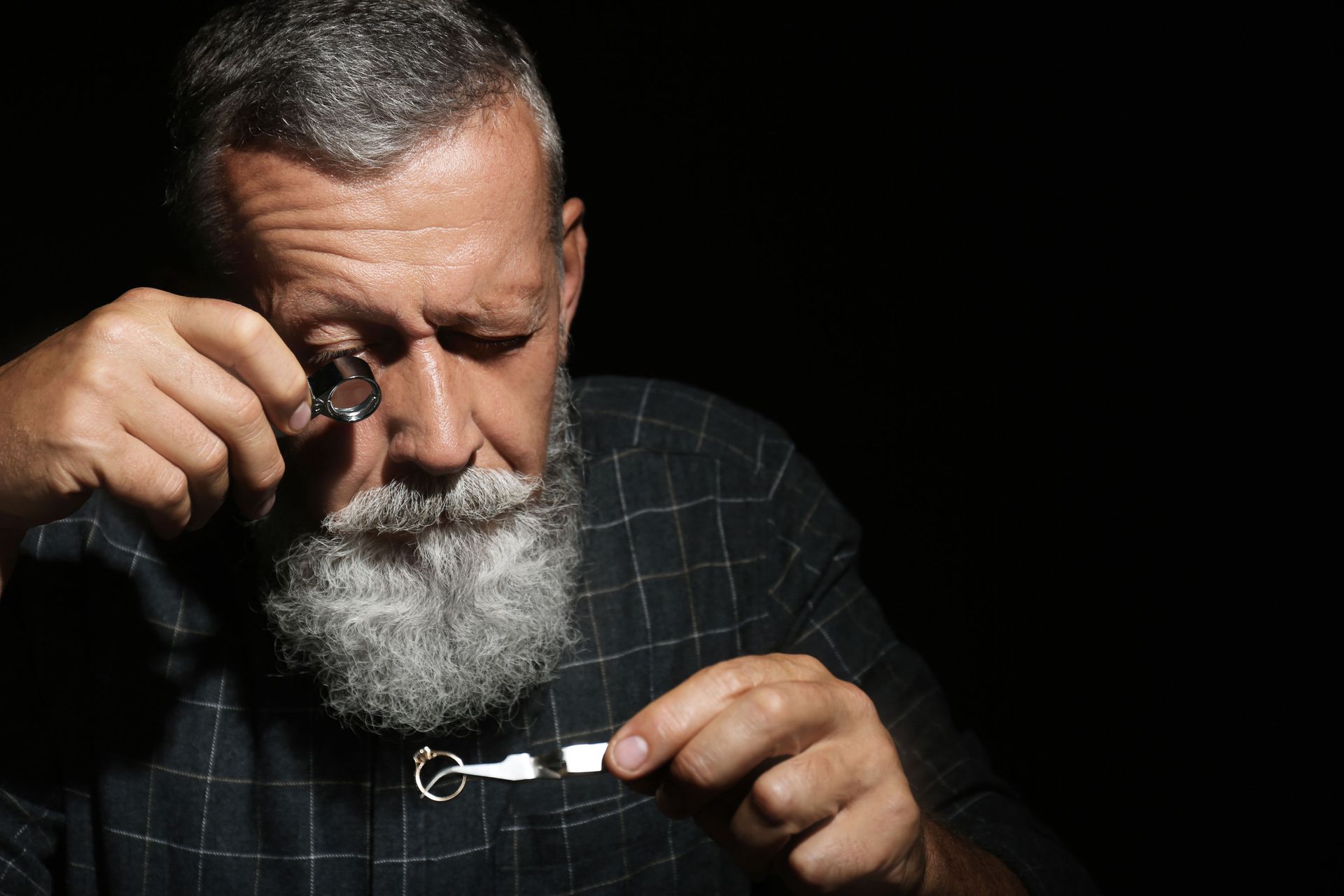
Understanding how the appraisal is conducted is another key factor. A professional should explain the evaluation process, including gemstone grading, metal testing, market research, and documentation standards. Appraisals typically involve detailed measurements, magnification, and reference to current market data.
Ask whether the appraisal will be conducted in your presence and how long the process takes. A thorough evaluation cannot be rushed, and high-quality reports often require time for research and verification. Clear communication about methods reflects professionalism and expertise.
Ensuring Comprehensive Written Documentation
A reputable appraisal includes a detailed written report, not just a verbal estimate. This document should describe the item thoroughly, including gemstone characteristics, metal content, weight, condition, photographs, and the purpose of the appraisal. It should also specify whether the value is for insurance replacement, fair market value, or another use. Proper documentation is critical for insurance claims, legal proceedings, and resale negotiations. Without a detailed report, the appraisal may not be accepted by insurers or other institutions, reducing its usefulness.
Assessing Transparency in Fees and Services
Clear pricing is a hallmark of professionalism. Before agreeing to services, ask for a written explanation of fees, timelines, and deliverables. Reputable appraisers are upfront about costs and do not pressure clients into unnecessary services. Avoid anyone who is vague about pricing or unwilling to explain their fee structure. Transparency builds trust and ensures you know exactly what you are paying for and what you will receive in return.
Checking Reputation and Professional References
Researching reputation is an essential step. Look for online reviews, testimonials, and professional references. While a single negative review may not be concerning, consistent patterns of complaints should raise red flags.
You can also verify membership status with professional organizations and ask for references from past clients. A trusted jewelry appraiser will have a solid reputation within the industry and a track record of satisfied clients.
Understanding Market Knowledge and Ongoing Education
The jewelry market changes frequently due to trends, economic conditions, and material availability. A reputable appraiser stays current through continuing education, industry events, and market analysis. Ask how the appraiser keeps their knowledge up to date. Professionals who invest in education demonstrate commitment to accuracy and long-term credibility.
Recognizing Red Flags and Common Warning Signs
Certain behaviors should prompt caution. Guarantees of unusually high values, reluctance to provide credentials, pressure to sell immediately, or refusal to issue written reports are all warning signs. Professional appraisers rely on evidence and methodology, not sales tactics. Trust your instincts during consultations. Clear communication, patience, and willingness to answer questions are indicators of integrity and professionalism.
Preparing Your Jewelry for the Appraisal
Before your appointment, gather any documentation you have, such as previous appraisals, purchase receipts, certificates, or repair records. While these documents don’t determine value, they can provide helpful context and save time. They may also help verify details like metal purity, gemstone specifications, designer signatures, or historical provenance, which can support a more thorough and efficient evaluation.
Clean jewelry lightly if needed, but avoid repairs or alterations beforehand, as condition is part of the evaluation. Even minor changes can affect how a piece is assessed and documented. It’s also a good idea to transport your jewelry securely and keep pieces separated to prevent damage or confusion. Preparing a brief list of questions or noting the purpose of the appraisal—such as insurance, resale, or estate planning—can further streamline the process. Being prepared allows the appraiser to focus on accuracy rather than background clarification, resulting in a more detailed, reliable, and useful appraisal report.
Using Appraisals for Different Purposes
Not all appraisals serve the same function. Insurance appraisals focus on replacement cost, while fair market value appraisals are used for estate planning, resale, or charitable donations. Make sure your appraiser understands the intended purpose, as this directly affects valuation methodology. Using the wrong appraisal type can lead to significant issues, such as being underinsured, overpaying premiums, or facing challenges during legal or tax proceedings.
A professional jewelry appraiser will clearly state the appraisal type in the report, ensuring it meets the requirements of insurers, courts, or tax authorities. The report should also outline the specific assumptions, market conditions, and valuation standards applied. For example, an insurance appraisal often reflects current retail replacement pricing, while a fair market value appraisal considers what a willing buyer and seller would agree upon in an open market.
Building a Long-Term Professional Relationship
Once you find a reputable appraiser, maintaining an ongoing relationship can be beneficial. Jewelry values change over time, and periodic updates help ensure continued accuracy for insurance and planning purposes. Regular reviews also help track market shifts and condition changes. Working with the same professional over time provides consistency and a deeper understanding of your collection, which can be especially valuable for estates or growing investments. Finding a reputable jewelry appraiser requires careful research, attention to credentials, and an understanding of professional standards.
By prioritizing independence, experience, and transparency, you can ensure your jewelry is evaluated accurately and fairly. The right professional protects both the value of your pieces and your long-term financial interests. If you are looking for a professional to appraise your jewelry, contact Beverly Hills Jewelry Buyers today to learn more and get started!

Share On: