
8 Ways a Jewelry Appraisal Can Help You Make Informed Decisions
Jewelry can carry emotional meaning, family history, and substantial financial value all at once. Because of that, it is important to know exactly what you own and what each piece is worth in the current market. A professional jewelry appraisal gives you a clear, documented understanding of your item so you can make smarter choices when buying, selling, insuring, gifting, or passing it down. Rather than relying on guesswork or outdated assumptions, you receive a detailed evaluation grounded in condition, craftsmanship, materials, and market demand. That level of clarity can protect both your finances and your peace of mind.
1. Value Accuracy
Understanding the real worth of a ring, necklace, bracelet, or heirloom starts with a reliable assessment. Market prices for metals and gemstones can change, and design details can influence value more than many owners realize. An appraiser studies the age, rarity, quality, and construction of a piece to arrive at a professional opinion of value. This process helps owners avoid underestimating valuable items or overestimating pieces based only on sentiment. A thorough review also creates a stronger foundation for future financial planning, especially when jewelry is part of a broader personal asset portfolio.
Accurate valuation is also useful because it gives context to how a piece fits within today’s market. A vintage item may have collector appeal, while a modern design may derive most of its worth from gemstone quality or brand recognition. Without a proper evaluation, it can be difficult to tell the difference. A well-prepared jewelry appraisal explains these factors in a way that makes the value easier to understand and apply in real-life situations. According to J.P. Morgan Private Bank, gold has delivered strong long-term performance, with an average annual appreciation of around 8% over the past two decades, which highlights why accurate and up-to-date valuations are so important when assessing pieces that contain precious metals.
2. Authenticity Verification
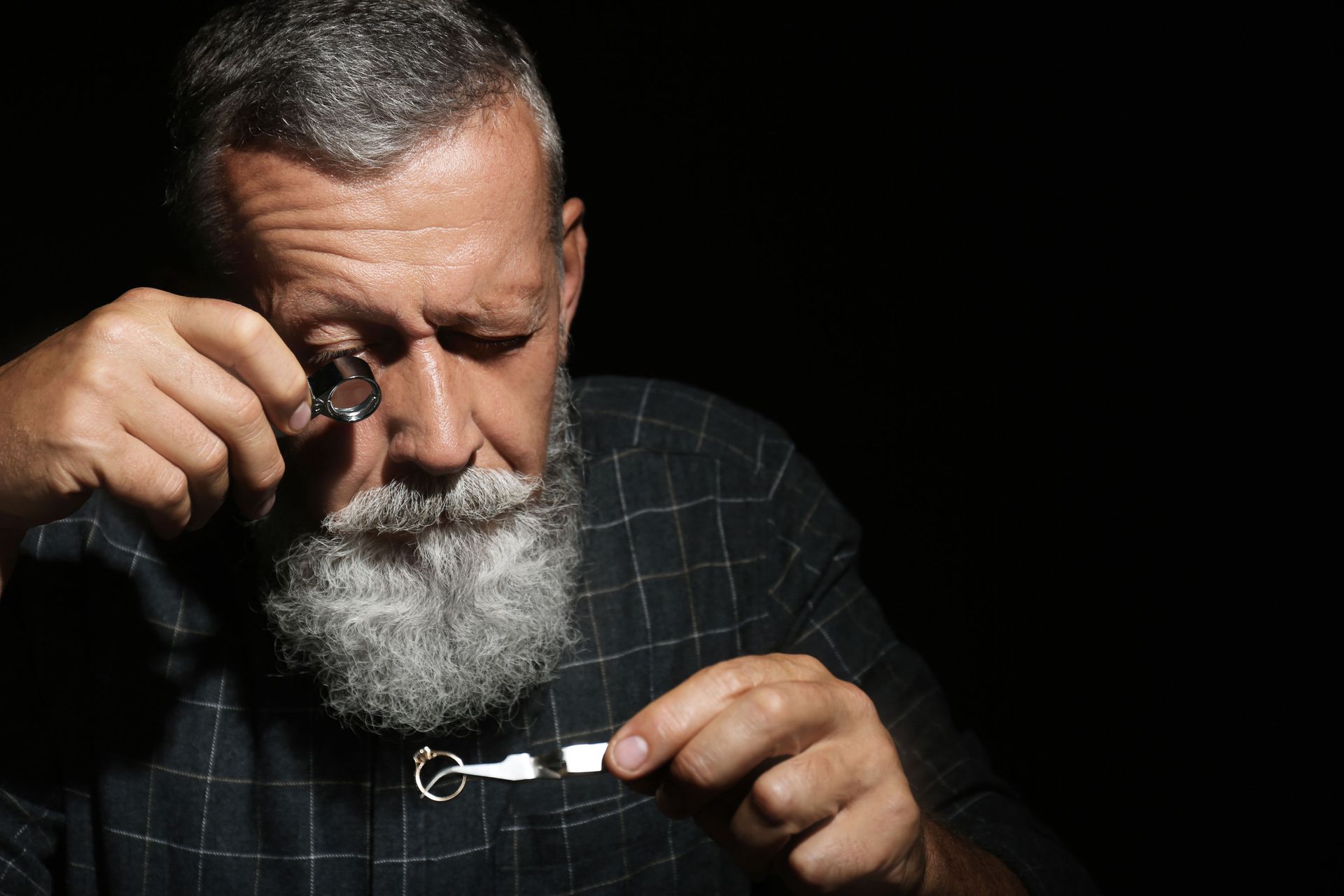
Authenticity is one of the most important concerns in jewelry ownership. With imitation stones, plated metals, and replica branded pieces becoming more common, it is not always easy for an untrained person to confirm what is genuine. A professional appraiser uses experience, gemological tools, and close inspection to verify whether a piece is authentic. That confirmation can prevent expensive mistakes and protect owners from relying on false assumptions about what they have.
This kind of verification also supports stronger decision-making when purchasing jewelry from private sellers, estates, auctions, or secondhand sources. If a piece is represented as natural diamond, solid gold, or designer-made, independent confirmation matters. A documented review can reveal whether the claims match the item itself. That knowledge protects your investment and builds confidence in any future transaction involving the piece.
3. Condition Assessment
The condition of jewelry has a direct effect on both value and wearability. Even beautiful pieces can lose value if they have loose stones, worn prongs, cracked settings, damaged clasps, or visible repairs. During an evaluation, an appraiser looks for signs of wear and identifies issues that may not be obvious at first glance. This helps owners understand whether a piece is in excellent condition, needs maintenance, or may require restoration before it is worn regularly or offered for sale.
Condition information is also helpful because it supports preventative care. Small problems can often be corrected before they become expensive ones. A weakened prong, for example, may lead to stone loss if ignored. By identifying those risks early, owners can take practical steps to preserve both beauty and value. In this way, a jewelry appraisal does more than state a number. It also provides guidance that helps protect the item over time.
4. Historical and Material Insight
Some jewelry pieces carry value that goes beyond their visible materials. Antique and estate items may have historical relevance, unique craftsmanship, or design features associated with a certain era. Provenance, maker marks, and period-specific techniques can all raise interest among collectors and buyers. An appraiser can place the item in context, helping the owner understand why a piece may deserve more attention than its basic metal and stone content might suggest.
Material analysis is equally important. Precious metals vary in purity, gemstones differ in quality and origin, and hand-crafted details may contribute to overall desirability. Understanding what a piece is made of can influence how it should be cared for, stored, insured, or marketed. A detailed review breaks down those components clearly, giving the owner a more complete picture of what makes the item valuable in the first place.
5. Buying Confidence
When buying jewelry, knowledge is one of the best protections against overpaying. A professional valuation helps buyers compare asking prices with real market value and determine whether the quality supports the cost. This is especially helpful for expensive items, estate jewelry, engagement rings, or pieces marketed as rare or investment-worthy. Instead of depending entirely on a seller’s description, buyers can make decisions based on documented facts.
A jewelry appraisal also improves negotiation leverage. If the asking price is too high for the quality, condition, or authenticity of the item, the buyer has objective information to support a lower offer. On the other hand, if the piece is fairly priced and genuinely valuable, the buyer can move forward with more confidence. That balance reduces uncertainty and helps make major purchases feel more secure.
6. Selling Support
Sellers benefit from professional documentation just as much as buyers do. Pricing jewelry too high can discourage serious interest, while pricing it too low can lead to lost value. An appraisal helps establish a fair and competitive asking price based on current market realities. It can also identify standout features, such as rare stones, strong craftsmanship, historical relevance, or desirable design elements, which may deserve special attention in marketing materials.
Trust is another major advantage. Buyers are often more comfortable working with sellers who provide transparent documentation. A professional report demonstrates that the seller has taken the time to understand the piece and present it honestly. That can shorten negotiations, reduce doubt, and make the transaction smoother overall. In many cases, a jewelry appraisal becomes a practical tool for turning interest into a completed sale.
7. Insurance Protection
Insurance is one of the most common reasons people seek professional documentation for valuable jewelry. Standard homeowners or renters policies may not fully cover high-value items without additional scheduling or endorsements. To secure the right protection, insurers usually need a detailed description and a stated value that reflects replacement cost. An appraisal provides that information in a format insurers can use when setting up or updating coverage.
It is also important to review values over time. The prices of gold, platinum, diamonds, and colored stones can change, which means an old document may no longer reflect what it would cost to replace the item today. Regular updates help prevent underinsurance and reduce problems if a loss occurs. When filing a claim, having a recent jewelry appraisal can make the process clearer, faster, and less stressful because the documentation is already in place.
8. Legal and Financial Documentation
Formal documentation can be valuable in legal and financial situations where jewelry must be accounted for fairly. Estates, inheritances, divorce settlements, charitable donations, and certain tax matters often require an impartial statement of value. In these cases, professional records help reduce disputes by giving all parties a credible basis for discussion. The goal is not only accuracy, but also transparency and consistency.
This advice helps owners protect the appearance and structure of their collection. Better care can reduce avoidable wear, preserve sentimental items, and support long-term value retention. A final jewelry appraisal does more than help with a single transaction. It gives you the knowledge needed to make thoughtful decisions throughout the life of the piece. From value and authenticity to insurance and preservation, professional documentation remains one of the most useful tools a jewelry owner can have. Contact Beverly Hills Jewelry Buyers today and get connected with our appraisal services.

Share On: