Top Questions to Ask Jewelry Appraisers to Ensure Accurate Valuations
Understanding the value of your jewelry is important for insurance, estate planning, resale decisions, and personal recordkeeping. A professional appraisal can provide detailed information about gemstones, metals, craftsmanship, condition, and estimated value. However, the quality of an appraisal often depends on the experience of the professional conducting it and the methods used during the evaluation. Asking thoughtful questions before leaving valuable pieces with an appraiser can help you better understand the process and avoid confusion. Qualified jewelry appraisers should be able to explain their credentials, procedures, fees, and reporting practices clearly so you know exactly what to expect from the service.
Understanding the Appraiser's Qualifications
When selecting an appraiser, assessing qualifications should be one of your first steps. Ask about professional certifications, formal training, continuing education, and memberships in recognized appraisal organizations. These credentials can help demonstrate that the individual understands accepted valuation methods and follows established professional standards. Because jewelry markets, gemstone treatments, laboratory technologies, and manufacturing techniques continue to evolve, continuing education is particularly important. Experienced jewelry appraisers should be willing to discuss their background and explain how their training prepares them to evaluate different types of pieces.
Experience is equally important because jewelry can vary significantly in age, materials, construction, and rarity. Ask how long the appraiser has worked in the field and whether they specialize in particular categories such as diamonds, watches, antique jewelry, estate pieces, colored gemstones, or designer collections. Some items require highly specialized knowledge to identify subtle characteristics that influence value. An appraiser who regularly works with pieces similar to yours may be better positioned to recognize unusual materials, construction methods, or historical features that might otherwise be overlooked.
References and client feedback can also provide useful insight into an appraiser's professionalism. Ask whether previous clients have provided testimonials or whether professional references are available. You may also want to know how the appraiser protects valuable items while they are being inspected. Questions about security procedures, insurance coverage, storage practices, and handling protocols can provide additional peace of mind, particularly when valuable or sentimental pieces must remain with the appraiser for an extended period.
Learning How the Appraisal Process Works
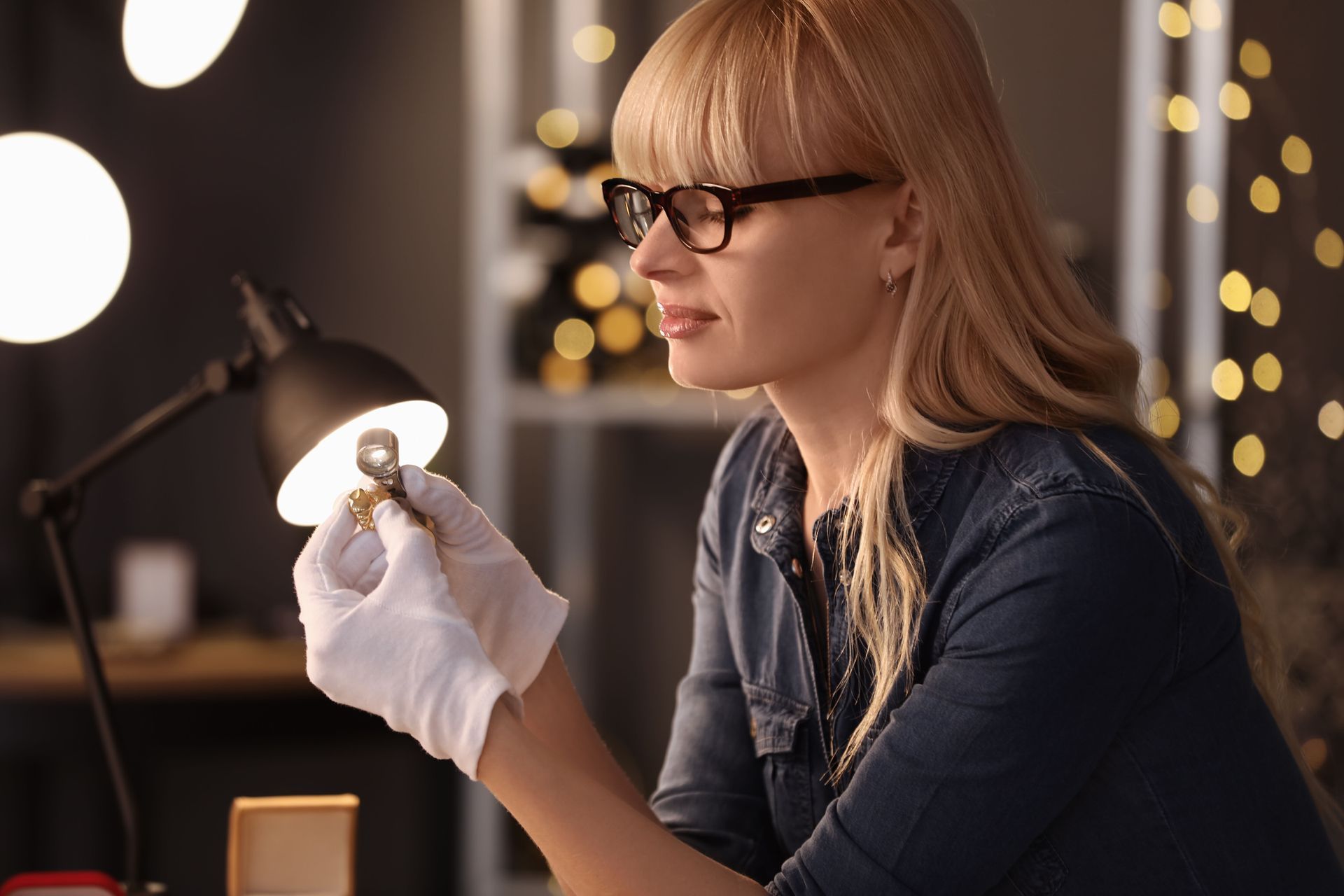
Understanding the appraisal process helps establish realistic expectations before the evaluation begins. Ask what steps will be taken to examine each piece and whether the jewelry will be evaluated while you are present. A thorough appraisal may involve measuring gemstones, examining settings, identifying metals, assessing craftsmanship, documenting condition, and researching comparable items. Professional jewelry appraisers should be able to explain why each step is necessary and how those observations contribute to the final valuation.
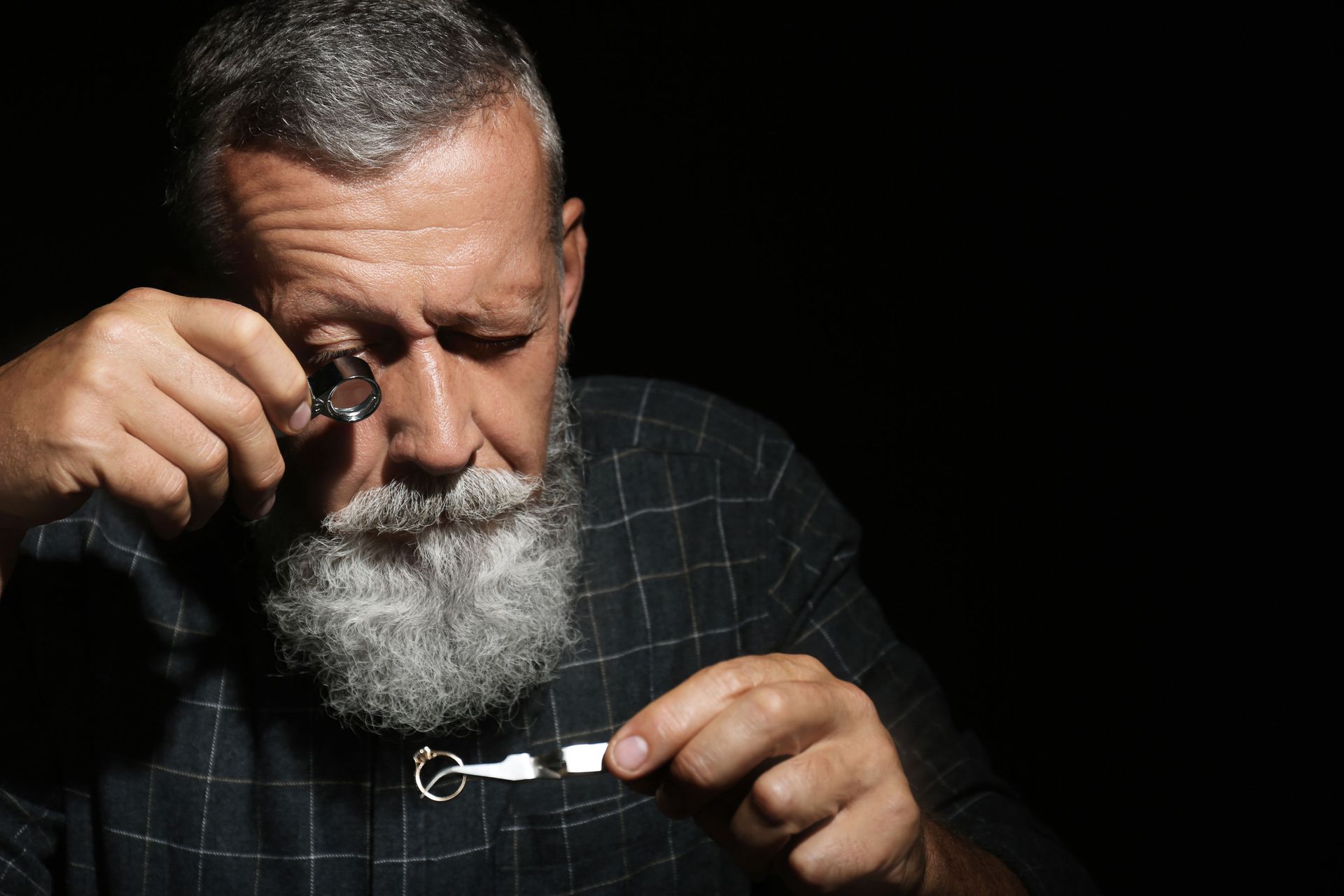
It is also useful to ask about the tools used during the examination. Depending on the type of jewelry, an appraiser may use magnification equipment, gemstone measurement instruments, electronic scales, ultraviolet lighting, microscopes, or other specialized devices. Certain technologies can help distinguish natural gemstones from laboratory-grown or treated materials. Understanding the natural origins of gemstones can also provide useful context when evaluating them. According to historyofjewelry.net, diamonds are all over 3 billion years old, and they formed from carbon that was heated and compressed into diamond form at the depth of 100 miles below the surface of the earth. While technology does not replace professional judgment, appropriate equipment can provide additional information that supports a more detailed and defensible appraisal.
Ask whether any testing procedures could potentially affect the jewelry. Most appraisal examinations are nondestructive, but understanding the process beforehand allows you to make informed decisions about valuable or fragile pieces. You should also ask how long the evaluation normally takes and whether the jewelry must remain at the appraiser's location. Knowing the expected timeline can help you coordinate insurance coverage, transportation, and any upcoming events where you may need the item.
Discussing Appraisal Costs and Payment
Understanding fees before the appraisal begins helps prevent unexpected charges. Ask whether pricing is based on an hourly rate, a flat fee, or the number of pieces being evaluated. Reputable jewelry appraisers generally establish fees independently of the final value of the jewelry. Charging a percentage of the appraised value could create a perceived conflict of interest because a higher valuation would result in a higher fee.
Additional charges may apply for extensive research, photographs, rush services, travel, or unusually complicated pieces. Ask whether these services are included in the original estimate or billed separately. If you have several items, find out whether collection pricing or package rates are available. Understanding the complete pricing structure allows you to compare services fairly rather than choosing an appraiser based solely on the lowest initial quote.
Payment terms should also be discussed in advance. Ask whether a deposit is required, when the remaining balance is due, and which payment methods are accepted. It may also be helpful to clarify whether revisions or additional copies of the report involve separate charges. Clear financial expectations protect both parties and demonstrate that the appraiser operates with transparency.
Reviewing What the Final Report Includes
The written report is one of the most important products of the appraisal process. Before proceeding, ask what information will appear in the final document. A detailed report commonly describes the jewelry's materials, measurements, gemstone characteristics, condition, identifying features, and estimated value. Many jewelry appraisers also include photographs so individual pieces can be matched to the documentation easily. This detail can be particularly useful when an appraisal is being prepared for insurance coverage or estate records.
Ask whether the report explains the valuation methodology and the market considered when determining value. A dollar figure alone provides limited information if there is no explanation of how it was calculated. Supporting details help insurance professionals, attorneys, estate representatives, buyers, and future appraisers understand the basis of the conclusion. The report should also identify the appraiser, provide relevant qualifications, and include the date of the valuation.
If the report contains specialized terminology, ask whether the appraiser will explain unfamiliar terms. Gemstone grading, manufacturing techniques, metal purity, and valuation standards can involve terminology that may not be familiar to every client. Understanding these descriptions helps you interpret the report properly and makes the document more useful when making decisions about insurance, repairs, storage, or future sales.
Clarifying Market Value and Replacement Value
One of the most important questions involves the type of value being determined. Market value and replacement value can produce different figures because they answer different questions. Market value generally relates to what an item might reasonably sell for under specific market conditions, while replacement value may reflect what it would cost to replace the piece with an equivalent item through an appropriate retail source. Experienced jewelry appraisers should determine the correct valuation approach based on the intended purpose of the appraisal.
Tell the appraiser why you need the valuation. Insurance scheduling, estate planning, charitable donations, divorce proceedings, resale decisions, and personal documentation can require different valuation methods. An appraisal created for one purpose may not necessarily be appropriate for another. Explaining your objective at the beginning allows the appraiser to research the relevant marketplace and prepare documentation that suits your specific situation.
Reliable jewelry appraisers should welcome reasonable questions and provide straightforward explanations about their services. Taking time to understand the process can help you protect valuable property, maintain accurate records, and make better decisions regarding insurance, estate planning, resale, or long-term ownership. A thorough appraisal provides more than a number; it creates useful documentation that explains what you own, its important characteristics, and how its value was determined. Contact Beverly Hills Jewelry Buyers today and learn more about our jewelry appraiser services.

Share On: